When Will Enterprise Agents Make Better Model Choices?
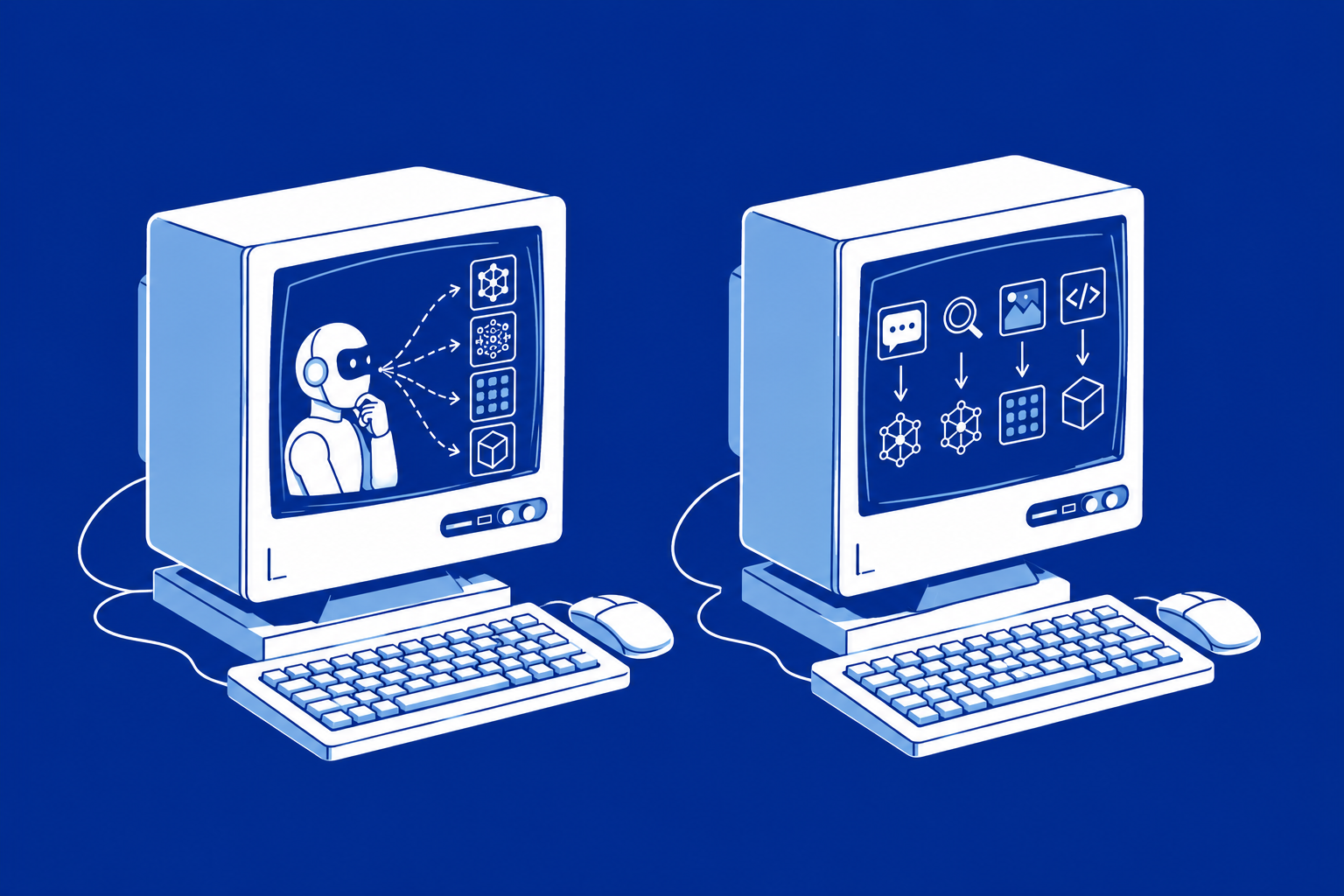
Most agent platforms make you choose a model upfront and stick with it. London-based Mindstone’s new tool Rebel does the opposite. It watches what works, remembers it, and routes future tasks to whichever model handled that kind of work best last time, local or cloud, automatically.
The memory system avoids the usual approach of dumping everything into a database and hoping retrieval finds the right context later. Instead, Rebel estimates how useful each interaction is likely to be again. High-value information gets written into a local readme.md file tied to a specific project or workflow. Everything runs on plain markdown, an open format any team can read, edit, or move elsewhere without being locked into Mindstone’s tooling.
That portability is the actual pitch here. Rebel connects memory, meetings, files, and automations into one workspace, but sensitive actions still sit behind approval checks, and the underlying files stay yours to take with you.
Licensing follows the same philosophy. Rebel ships under a Fair Source licence so it’s free for teams under 100 users, with the usual enterprise tier for bigger teams. For a market full of agent platforms asking companies to hand over their workflows to a closed cloud system, a local-first, file-based alternative is a deliberate point of difference.
Model routing has been a quiet pain point in enterprise AI for a while now. Pick the wrong model for a task and you either overpay or underperform, and almost nobody enjoys make that call manually for every subtask. If Rebel’s memory layer holds up at scale, automatic routing based on what’s actually worked before is one less decision standing between teams and getting the work done.